China Mountain Travel China Mountain Travel
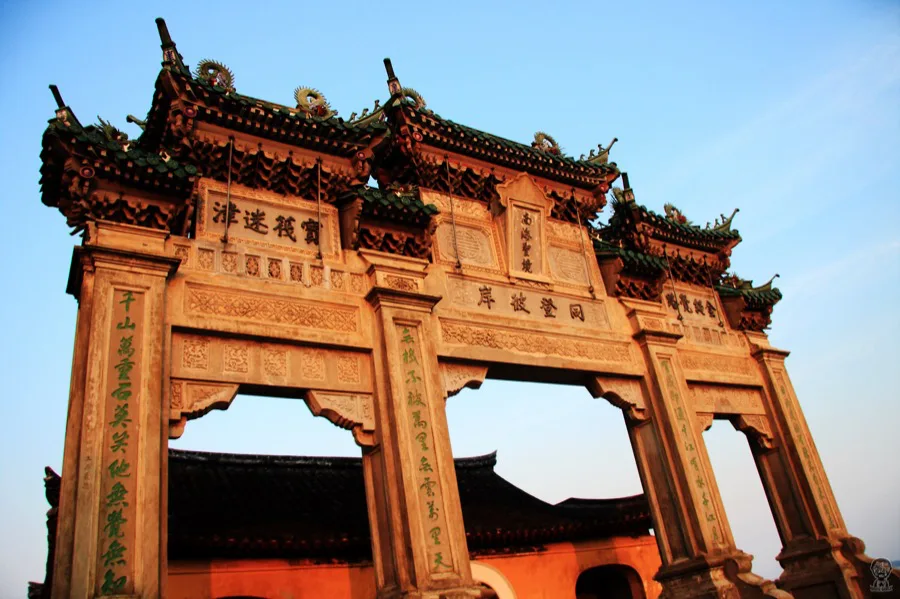
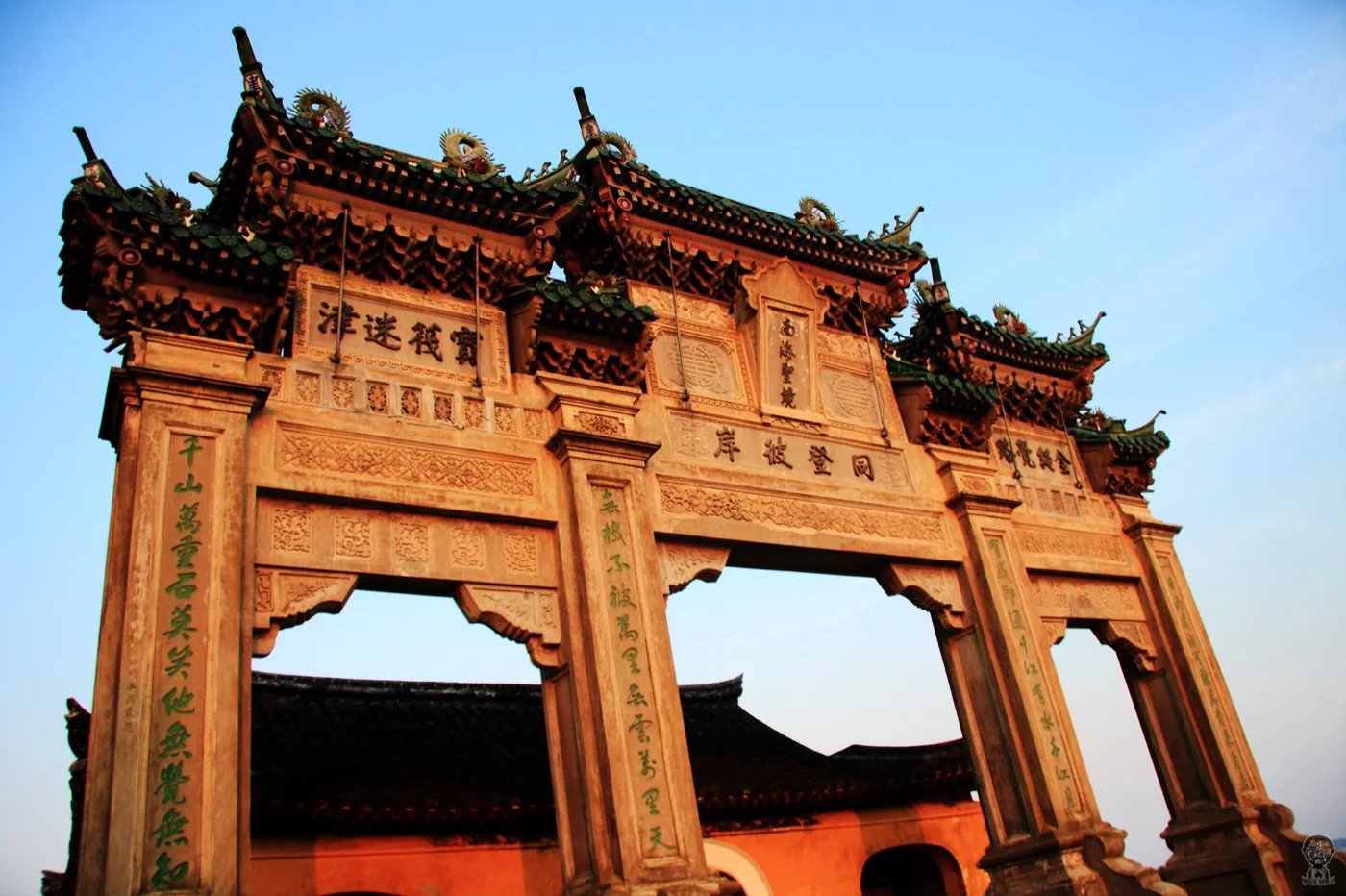
Tongdeng Bi'an Archway on Mount Putuo

Buddhist mountain comparison

Best Buddhist Mountains in China for Foreign Visitors

Compare the best Buddhist mountains and temple mountains in China for foreign visitors, including Mount Putuo, Mount Emei, Mount Song with Shaolin Temple, and Mount Wutai.

China has many sacred mountains, but they are not all the same kind of Buddhist travel experience. Some are pilgrimage islands filled with temples and incense. Some are real mountain hikes with Buddhist monasteries along the route. Others are famous not only for Buddhism, but also for martial arts, history and cultural symbolism.

For foreign visitors, four especially useful Buddhist mountain choices are Mount Putuo, Mount Emei, Mount Song with Shaolin Temple, and Mount Wutai. This guide compares what each one is best for, how difficult it is, how many days you need, what kind of Buddhist atmosphere to expect, and which one makes the most sense for a first trip.

This is still not a full list of every Buddhist mountain in China. Mount Jiuhua also matters greatly, but this page focuses first on the four destinations that are easiest to turn into a practical foreign-visitor itinerary.

Quick comparison

Four Buddhist mountain trips, four very different travel styles

Destination Best for Recommended days Difficulty Main experience Key warning
Mount Putuo Peaceful Buddhist pilgrimage and island temples 1–2 days Easy to moderate Guanyin worship, temples, coastal walking, incense atmosphere You need a ferry, and foreign-passport ticketing can require manual checks.
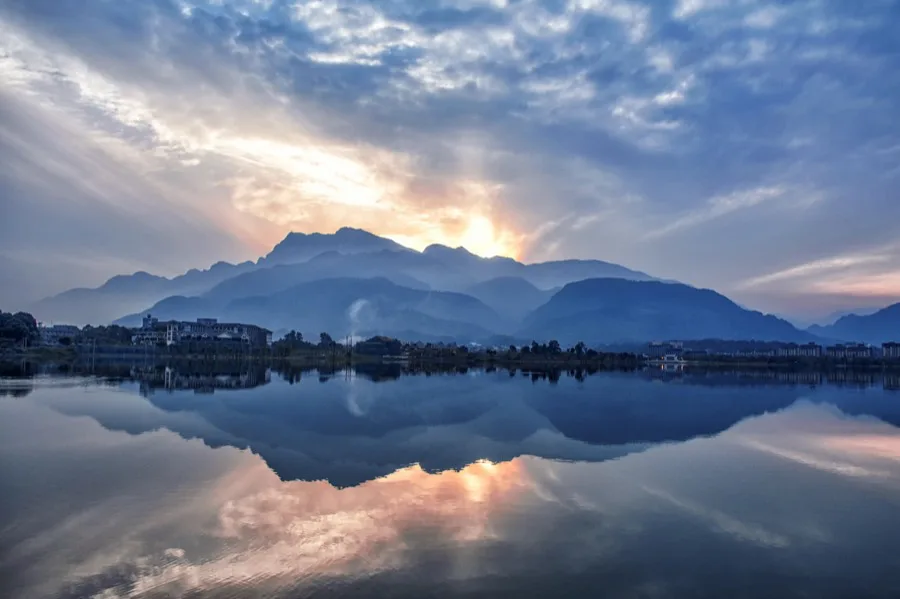
Mount Emei Long Buddhist mountain journey and Golden Summit 2–3 days Moderate to hard Temples, forests, long stair routes, Golden Summit, sunrise Distances are long, and monkeys can be aggressive.
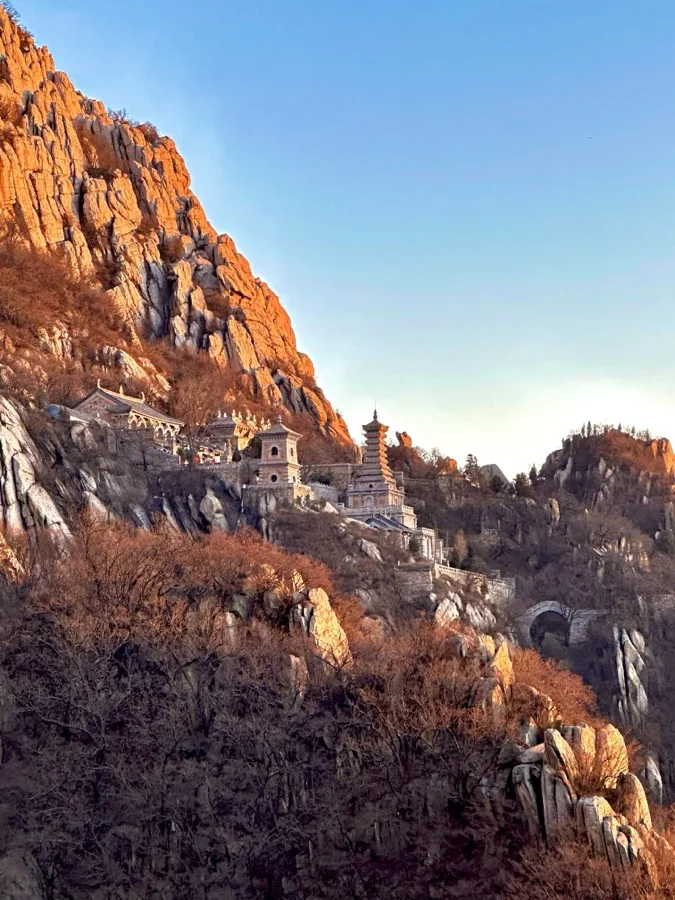
Mount Song / Shaolin Temple Chan Buddhism, Shaolin kung fu and cliff scenery 1–2 days Easy to moderate, or hard if hiking Taishi Mountain Shaolin Temple, Pagoda Forest, kung fu performance, Sanhuangzhai Do not confuse Shaolin Temple, Sanhuangzhai and the official Songshan summit.
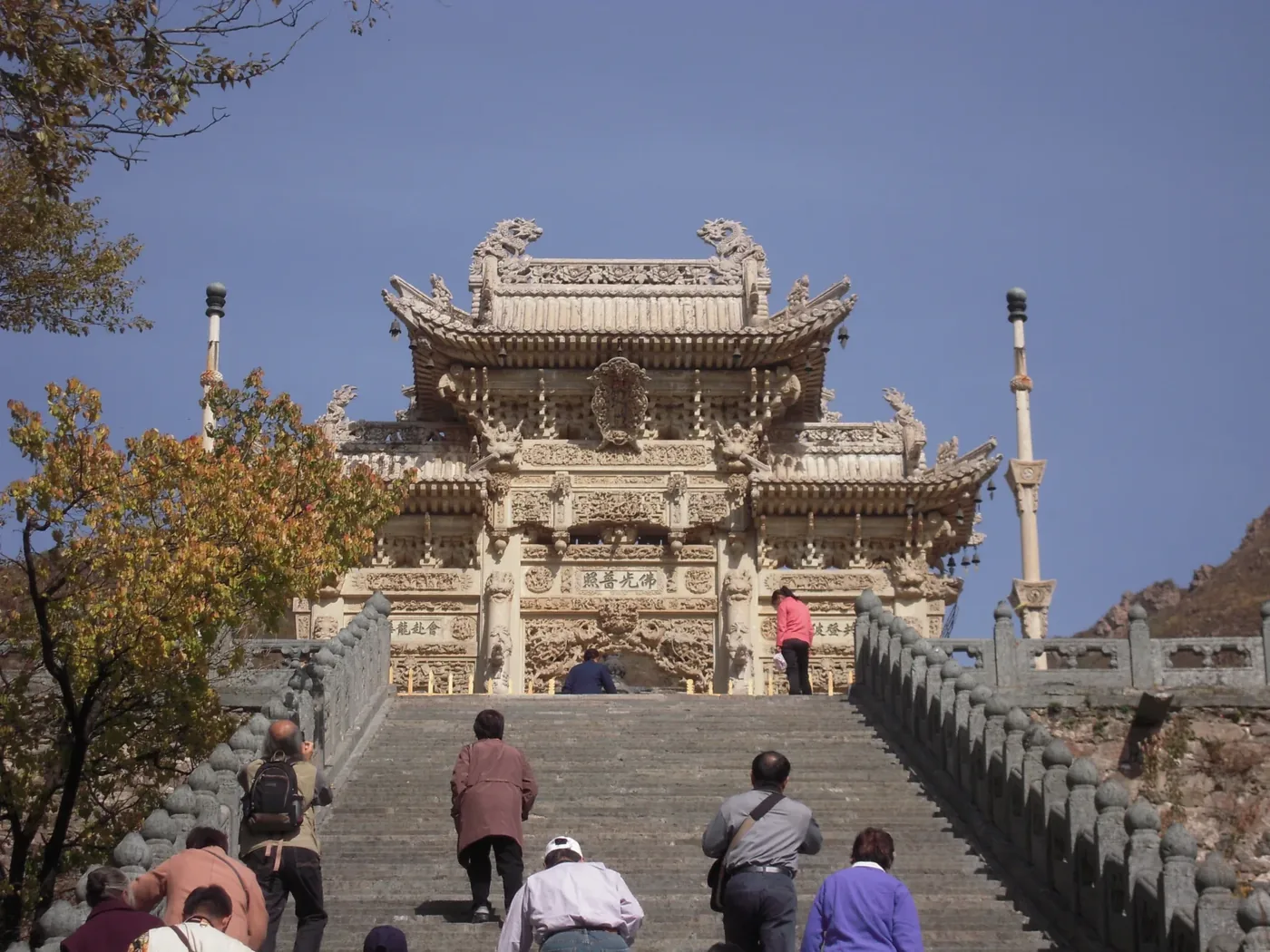
Mount Wutai Deep Buddhist temple region, Manjushri worship and highland sacred landscape 2–3 days Easy in Taihuai Town; difficult if attempting the Five Terraces Taihuai Town temples, Great White Stupa, Dai Luoding, Han and Tibetan Buddhist traditions Do not mistake it for a simple summit hike; long transfers and cold highland weather catch many visitors off guard.

Which Buddhist mountain should you choose?

Choose Mount Putuo if you want a peaceful pilgrimage

Mount Putuo is best if you want Buddhist atmosphere without a hard climb. The experience is about Guanyin worship, temples, incense, sea air and slow walking rather than physical challenge.

Choose Mount Emei if you want a real Buddhist mountain hike

Mount Emei is the best choice if you want Buddhism and serious mountain travel together. Temples, forests, long stair routes and Golden Summit make it the strongest all-round Buddhist mountain journey in this comparison.

Choose Mount Song if you want Shaolin culture and Buddhist history

Mount Song works best if you want Shaolin Temple, Chan Buddhist history and kung fu culture, with Sanhuangzhai adding real mountain scenery and a proper cliffside walk.

Choose Mount Wutai if you want a deeper temple world

Mount Wutai is best if you want a dense sacred mountain region with major temples, Manjushri tradition, highland weather and a stronger sense of pilgrimage depth than a normal sightseeing stop.

Four practical decision cards

Which is the most Buddhist?

Destination Buddhist character
Mount Putuo Strong pilgrimage atmosphere centered on Guanyin worship
Mount Emei Major Buddhist sacred mountain with temples, long routes and Golden Summit
Mount Song / Shaolin Temple Chan Buddhism, Shaolin history and monastic martial culture
Mount Wutai Major Manjushri sacred mountain with dense temple culture and both Han Chinese and Tibetan Buddhist traditions

Which is easiest?

Rank Destination Difficulty
1 Mount Putuo Easiest
2 Mount Song / Shaolin Temple only Easy
3 Mount Wutai core temples Easy to moderate because of altitude and temple walking
4 Mount Song + Sanhuangzhai Moderate
5 Mount Emei Moderate to hard, depending on route

Which has the best scenery?

Destination Scenic style
Mount Putuo Sea, temples, island paths and Guanyin sites
Mount Emei Forests, clouds, temples and Golden Summit
Mount Song / Sanhuangzhai Cliff paths, rock formations and Shaolin mountain scenery
Mount Wutai Temple region, white stupas, highland valleys and broad terrace landscapes

Best choice by travel style

Best for a peaceful Buddhist pilgrimage: Mount Putuo.

Best for a real Buddhist mountain hike: Mount Emei.

Best for Shaolin and kung fu culture: Mount Song / Shaolin Temple.

Best for a deeper highland Buddhist temple region: Mount Wutai.

Best for first-time visitors with limited time near Zhengzhou or Luoyang: Mount Song.

Best for a gentle Buddhist side trip from Shanghai, Hangzhou or Ningbo: Mount Putuo.

Best for a 2–3 day Buddhist mountain journey in Shanxi: Mount Wutai or Mount Emei, depending on whether you want temple depth or more mountain hiking.
How many days do you need?

Destination Minimum time Better plan
Mount Putuo 1 day 1–2 days
Mount Emei 1 rushed Golden Summit visit 2–3 days
Mount Song / Shaolin Temple Half day for temple only 1–2 days with Sanhuangzhai and Dengfeng sites
Mount Wutai 1 rushed temple day 2–3 days with Taihuai Town and Dai Luoding

Suggested itineraries

If you have one day

Choose Mount Putuo for main temples and Nanhai Guanyin, Mount Song for Shaolin Temple and Pagoda Forest, or Mount Emei only for a transport-assisted Golden Summit visit.

If you have two days

Mount Putuo works well for a slower temple route. Mount Song works well for Shaolin Temple plus Sanhuangzhai and one Dengfeng cultural site. Mount Wutai is one of the best 2-day Buddhist mountain options if you stay in Taihuai Town and add Dai Luoding.

If you have three days

Mount Emei and Mount Wutai are the deepest Buddhist mountain journeys in this comparison. Choose Emei if you want more hiking and Golden Summit, or Wutai if you want more temple density and a fuller sacred-mountain atmosphere.

Practical tips for foreign visitors

Bring your original passport

All four destinations may require passport checks for tickets, hotels or real-name entry systems.

Do not assume Buddhist sites are quiet

These are also major tourist destinations, so weekends and holidays can be very crowded.

Respect temple rules

Keep your voice down inside temple halls, do not photograph where it is prohibited, and do not disturb worshippers.

Check transport carefully

Putuo needs a ferry. Emei often involves buses and cable cars. Songshan requires understanding the difference between Shaolin Temple, Sanhuangzhai and Taishi Mountain.

Avoid major Chinese holidays

May Day, National Day Golden Week, summer holidays and some Buddhist festival periods can completely change the atmosphere.

Travel light

Even temple mountains can involve a lot of stairs. Keep heavy luggage at your hotel whenever possible.

Common mistakes

Treating all Buddhist mountains as the same

Putuo, Emei, Songshan and Wutai are all Buddhist destinations, but they serve very different travel styles.

Turning Mount Emei into a rushed one-day trip

You can do Golden Summit quickly, but that is not the same as experiencing the whole mountain.

Skipping the Pagoda Forest at Shaolin

The Pagoda Forest is one of the most historically important and atmospheric parts of the Shaolin area.

Confusing Songshan’s different areas

Shaolin Temple, Sanhuangzhai and Junji Peak are not the same route. Plan them separately.

Forgetting Putuo is an island

Getting to Zhoushan or Zhujiajian is not the same thing as arriving on Putuo Island itself.

Expecting perfect peace during holidays

These are famous religious and tourist sites. Major holidays can be intensely crowded.

Final recommendation

Choose Mount Putuo if you want a peaceful Buddhist island pilgrimage. Choose Mount Emei if you want a real Buddhist mountain journey with temples, forests and Golden Summit. Choose Mount Song / Shaolin Temple if you want Chan Buddhism, Shaolin kung fu culture and an efficient trip from Zhengzhou or Luoyang. Choose Mount Wutai if you want a deeper temple world shaped by Manjushri worship, highland weather and a stronger pilgrimage atmosphere.

All four are Buddhist destinations, but they are not interchangeable. Putuo is gentle and devotional, Emei is long and mountainous, Songshan is cultural and Shaolin-centered, and Wutai feels like a living highland Buddhist region rather than a single mountain outing.

FAQ

What is the best Buddhist mountain in China for foreign visitors?

For a peaceful pilgrimage, choose Mount Putuo. For a full Buddhist mountain journey, choose Mount Emei. For Shaolin Temple and Chan Buddhist history, choose Mount Song. For a deeper temple-centered sacred mountain region, choose Mount Wutai.

Is Mount Putuo hard to visit?

Physically, no. It is one of the easier Buddhist destinations in China. The main challenge is logistics: ferries, tickets and timing.

Is Mount Emei difficult?

It depends on your route. With buses and cable cars, it can be moderate. If you hike long sections, it becomes a serious multi-day mountain trip.

Is Shaolin Temple on Mount Song?

Yes. Shaolin Temple is located at the foot of Shaoshi Mountain, which is part of the Songshan mountain range near Dengfeng.

Is Shaolin Temple mainly Buddhist or kung fu?

Both matter. Shaolin Temple is a Buddhist monastery with major Chan Buddhist history, and it is also world-famous for Shaolin kung fu.

Which Buddhist mountain is easiest for seniors?

Mount Putuo is usually the easiest. Shaolin Temple itself is also manageable, while Sanhuangzhai and Mount Emei require more fitness.